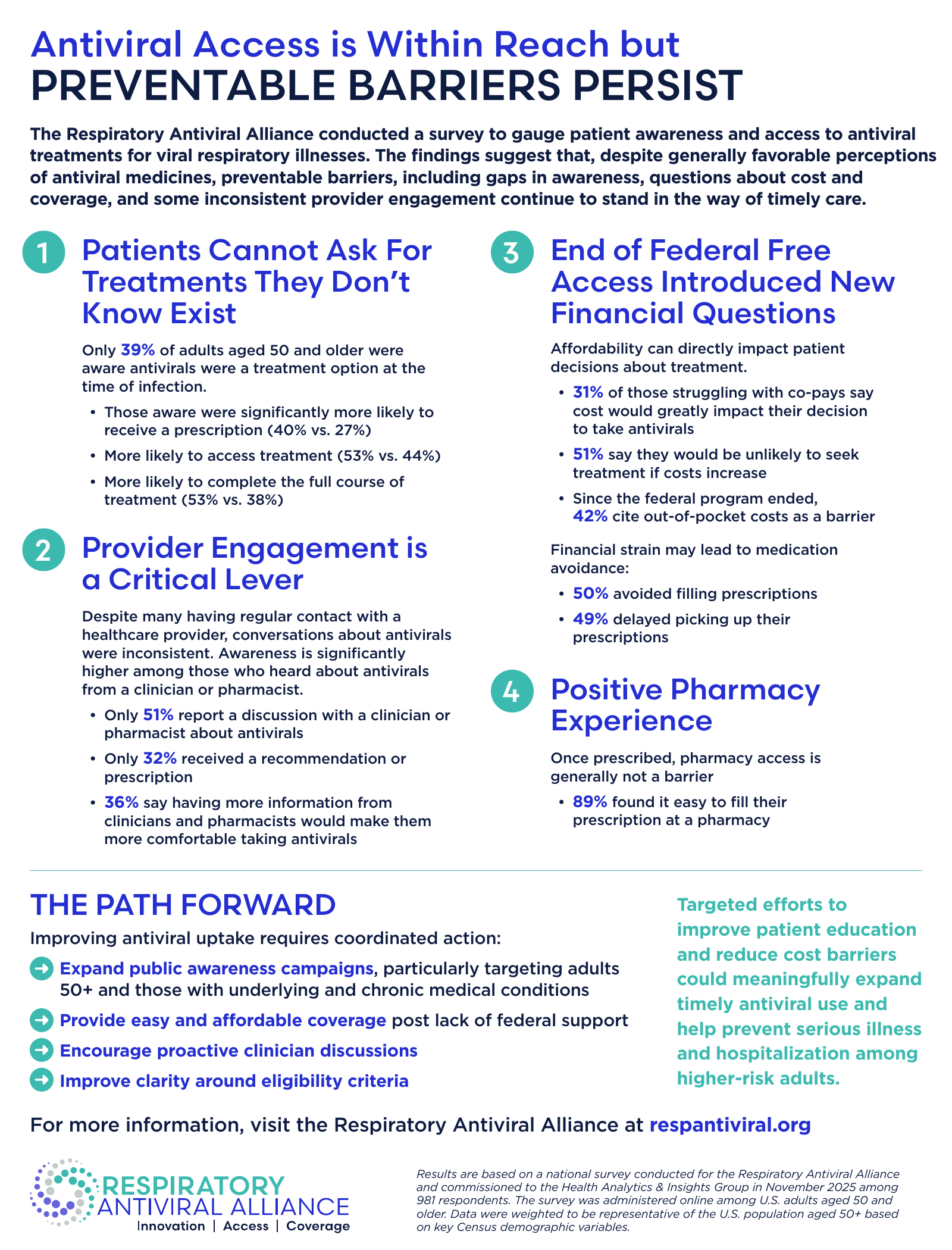

High-deductible health plans were designed to lower premiums and encourage more cost-conscious healthcare decisions. But for patients with chronic or underlying conditions, these plans can create hesitation at exactly the wrong moment.
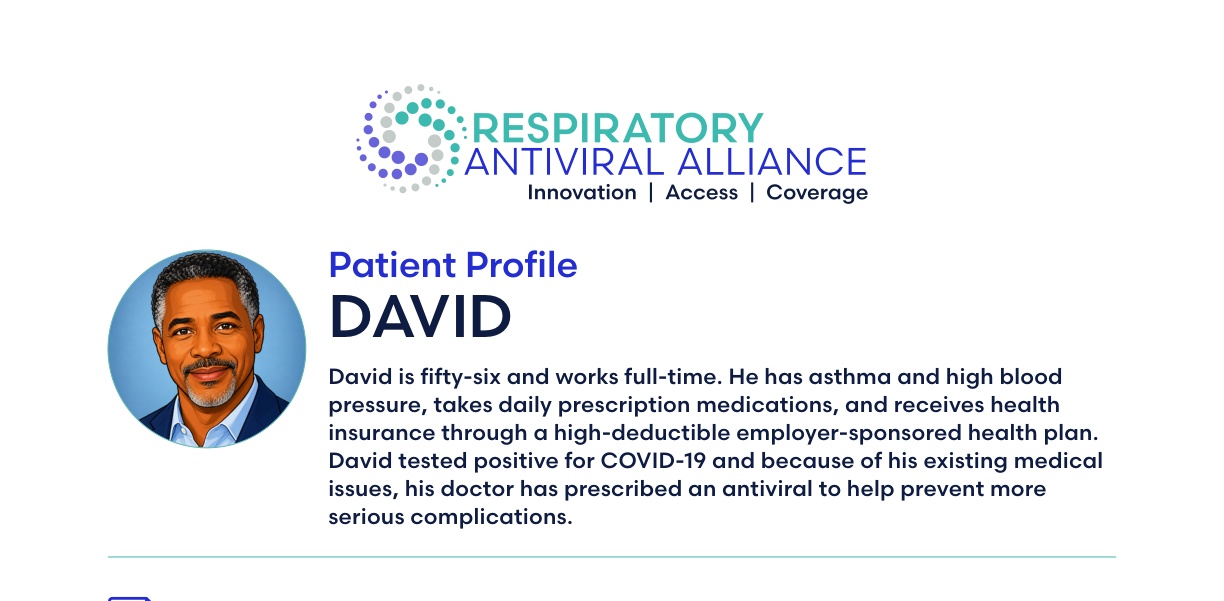
That hesitation matters. For a high-risk patient with COVID-19 or flu, timely care is not a small detail. It can determine whether treatment is still an option. Antiviral medications are most effective when started early, often within days of symptom onset or a positive test result. A patient who pauses to ask, “What will this cost me?” may lose that treatment window altogether.
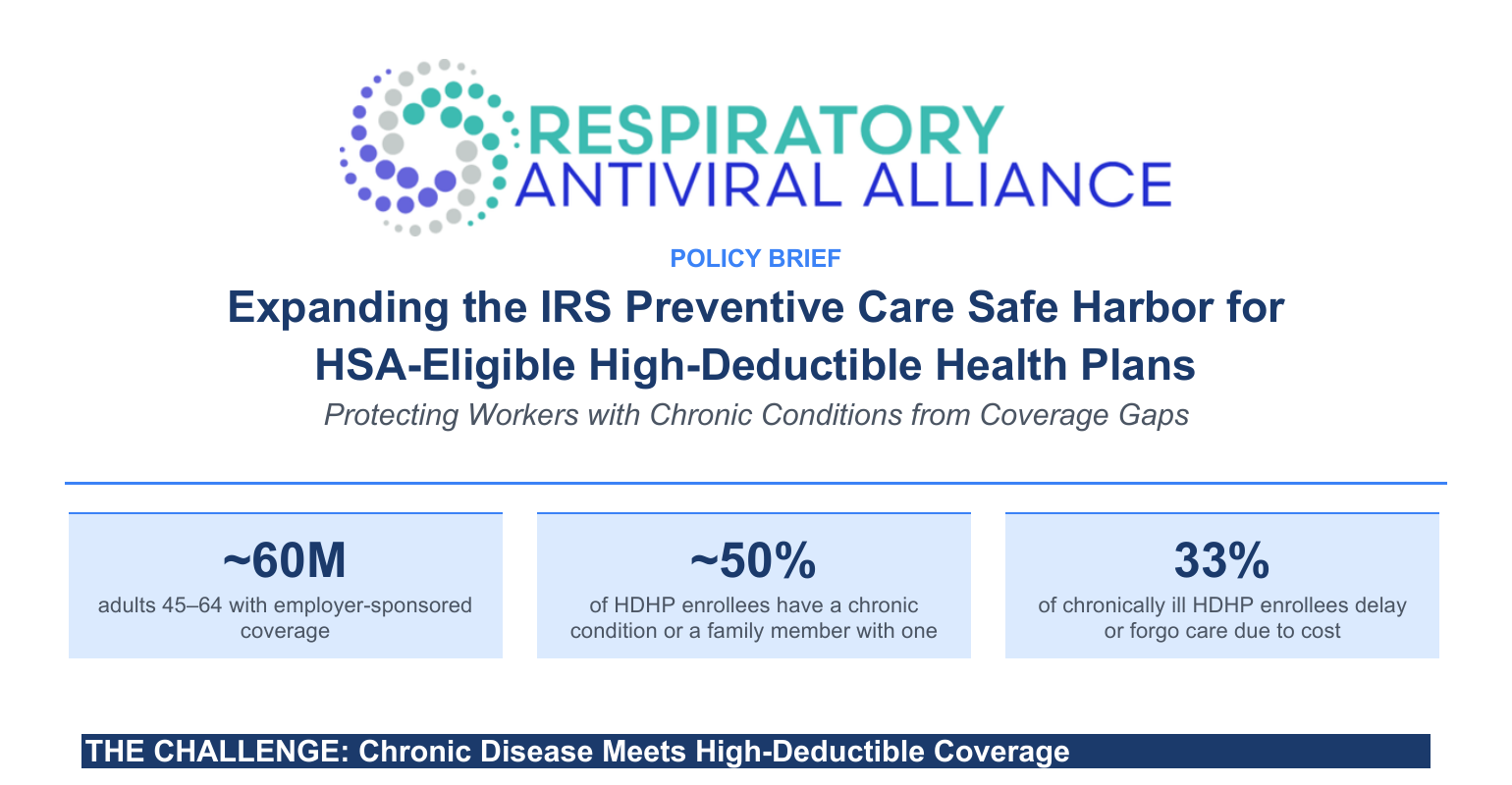
And it is not just respiratory illnesses. Nearly half of all people enrolled in high-deductible health plans have a chronic condition or a family member who does. For these patients, prevention is not limited to an annual checkup. It means staying stable, avoiding complications, and getting rapid treatment when new risks arise, and right now, benefit design can get in the way.
Delays Have Real Consequences
Research consistently shows that cost-sharing deters not just low-value care, but necessary care. A 2025 study in JAMA Network Open found that people with chronic conditions enrolled in high-deductible employer plans were 22 percent less likely to receive guideline-recommended medications than those in traditional plans. A separate analysis found that switching to a high-deductible plan was associated with increased odds of experiencing diabetes-related complications, including serious cardiovascular events.
One-third of people with chronic conditions enrolled in high-deductible plans report delaying or forgoing care because of cost. These are not discretionary decisions. They are often choices that determine whether a manageable condition becomes an emergency and whether a patient who could have been treated with an antiviral ends up hospitalized instead.
For infectious diseases like flu and COVID-19, the stakes are especially high for people with underlying conditions. Antivirals are proven to speed recovery and reduce serious complications, but they are most effective within a narrow window. A deductible that makes a patient hesitate, even for a day, can close that window entirely.
A Targeted Fix Is Already Within Reach
The IRS already recognizes that preventive care is more than screenings and vaccines. In 2019, Notice 2019-45 allowed HSA-eligible high-deductible health plans to cover certain chronic disease management services before the deductible is met, including insulin for diabetes and statins for heart disease. The policy worked. Three-quarters of large employers voluntarily expanded pre-deductible coverage in response, and medication adherence among enrollees with chronic conditions improved measurably.
But the current safe harbor is too narrow. It covers only 14 specific services, leaving hundreds of evidence-based treatments for chronic conditions and antiviral medications for high-risk patients with respiratory illness still subject to the full deductible. Research from the Employee Benefit Research Institute indicates that expanding pre-deductible coverage to a much broader set of chronic disease drug classes would have a minimal impact on premiums. The clinical case is clear; the fiscal concern is not a barrier.
Employers want to do more. Nearly all large employers that did not expand pre-deductible coverage after the 2019 guidance said they planned to do so or were actively exploring it. The Chronic Disease Flexible Coverage Act, (H.R. 919), which passed the House with unanimous bipartisan support in March 2025, would codify the existing guidance into statute and ensure the list of covered services can be updated as clinical evidence evolves. It is now pending before the Senate Finance Committee.
Prevention Means Access, Not Just Awareness
Expanding the IRS preventive-care safe harbor is a pragmatic, targeted step. It would not upend high-deductible plan design or require sweeping reform. It would simply align benefit structures with how prevention works for people managing ongoing health conditions and for high-risk patients who need rapid access to treatment when timing can determine the outcome.
For people with chronic or underlying conditions, preventive care is not optional. It is ongoing, and sometimes urgent. When benefit design puts that care out of reach, even briefly, the consequences can last far longer than the delay itself.
When it comes to prevention, timing is not just important. It can be everything.